Simple Pruning Tips for Healthier Shrubs
Pruning is an essential practice in shrub care that influences both the health and appearance of plants. When approached methodically, pruning helps maintain a desired shape, encourages flowering, and reduces the risk of disease. However, the timing and technique of pruning are critical, as improper cuts can harm the shrub or reduce its bloom potential. This article provides a neutral, informational overview of basic pruning principles for shrubs, focusing on timing, removal of dead wood, and thinning dense growth.
Understanding the specific needs of each shrub species is important because different plants respond differently to pruning. Some shrubs bloom on new wood, while others flower on old wood. This distinction determines whether pruning should be done in late winter or after flowering. Additionally, the overall goal of pruning is to promote air circulation and sunlight penetration, which are vital for a healthy plant. By following a few straightforward guidelines, gardeners can maintain attractive and vigorous shrubs without relying on guesswork.
Timing Your Pruning
Timing is one of the most critical factors in pruning. The ideal time depends on the flowering habit of the shrub. Shrubs that bloom in spring, such as lilacs and forsythia, set their flower buds on the previous year’s growth. Pruning these plants in late winter or early spring removes the buds and reduces blooming. Instead, it is recommended to prune soon after they finish flowering, allowing the plant to develop new growth that will bear buds for the next season.
For shrubs that flower in summer or fall, such as hydrangeas and butterfly bushes, pruning in late winter or early spring is generally advisable. These plants bloom on new wood that emerges in the spring, so cutting back the old stems encourages vigorous new growth and more prolific flowering. However, this is a general guideline, and specific species may have distinct requirements. Gardeners should research or consult local extension services for precise timing suited to their region.
Another consideration is the age and condition of the shrub. Young shrubs may require formative pruning to establish a strong structure, while mature shrubs might need maintenance pruning to control size and remove damaged parts. Additionally, some shrubs benefit from rejuvenation pruning, where the plant is cut back severely to promote fresh growth, but this technique is not suitable for all species. It is essential to identify the plant and its needs before making cuts.
In regions with harsh winters, late-summer pruning is often discouraged because it encourages tender new growth that can be killed by frost. Instead, pruning in early spring, once the danger of severe cold has passed, is safer. This allows the plant to heal quickly and reduces the risk of winter injury. The type of shrub and local climate both influence the optimal timing, emphasizing the need for a thoughtful approach.
Removing Dead and Diseased Branches
Dead, damaged, or diseased branches should be removed promptly, regardless of the season. These branches not only detract from the shrub’s appearance but also can serve as entry points for pests and pathogens. When removing such branches, it is important to make clean cuts just above a healthy bud or branch junction. This encourages the shrub to produce new growth and reduces the risk of dieback.
Diseased branches should be cut back to healthy tissue, and the pruning tools should be disinfected between cuts to prevent spreading pathogens. For branches affected by fungal infections or cankers, cuts should be made several inches below the visible damage to ensure all infected material is removed. The removed branches should be disposed of properly, not composted if they contain disease, to avoid contaminating other plants.
Regular inspection for dead branches is a preventive measure that keeps shrubs vigorous. Removing dead wood improves air circulation and light exposure, which helps the plant photosynthesize efficiently. It also reduces the chance of breakage during storms, as weak branches are eliminated. This practice is a core component of shrub maintenance and contributes to a tidy landscape.
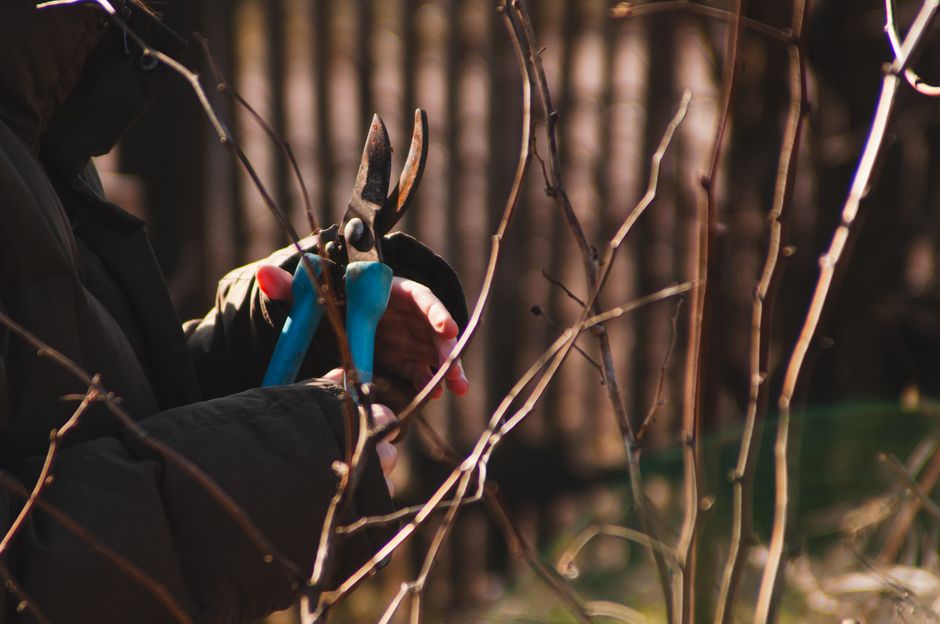
When cutting away branches, always use sharp, clean tools. Dull blades can crush tissue and create jagged cuts that heal slowly. Bypass pruners are suitable for smaller stems, while loppers or a pruning saw are needed for thicker branches. Making precise cuts at the correct angle—slightly slanted away from the bud—promotes rapid healing and minimizes stress on the plant.
Thinning Dense Growth for Better Airflow
Over time, shrubs can become dense and crowded, with branches crossing and rubbing against each other. This reduces air circulation, creating a humid environment that favors fungal diseases and pest infestations. Thinning is a technique that selectively removes some branches to open up the interior of the shrub while maintaining its natural shape. It is distinct from shearing, which involves cutting the outer foliage uniformly, often leading to a dense outer shell and bare interior.
When thinning, it is advisable to remove about one-third of the oldest stems, focusing on those that are weak, spindly, or growing toward the center. This encourages new shoots to emerge from the base, promoting a fuller and healthier plant. Removing crossing branches prevents them from rubbing and creating wounds that can become infected. The goal is to create an open framework that allows light to penetrate and air to move freely.
Thinning is best done during the dormant season for many shrubs, but it can be performed year-round for some species. The timing should align with the shrub’s growth pattern and flowering schedule, as discussed earlier. For example, a spring-blooming shrub thinned in late winter might lose some blooms, so it is often better to thin immediately after flowering. However, if the shrub is severely overgrown, occasional corrective thinning may be necessary at any time, though it is important to minimize stress.
The benefits of thinning extend beyond health. By reducing the density, the shrub’s shape becomes more defined, and the natural structure is revealed. This can improve the overall aesthetics of the landscape without the formal look of shearing. Additionally, better air circulation helps foliage dry quickly after rain, reducing the likelihood of leaf spot diseases and other moisture-related issues.
For shrubs that bloom on new wood, thinning in early spring allows the plant to channel energy into fewer, stronger stems, often resulting in larger blooms. For those that bloom on old wood, thinning after flowering ensures that the remaining stems can produce buds for the next season. In all cases, thinning should be done with moderation, as removing too many branches can stress the shrub and lead to excessive regrowth or a weakened structure.
Shaping and Rejuvenation Pruning
Shaping pruning is performed to maintain a desired form or size, and it should be done with the shrub’s natural growth habit in mind. Instead of shearing to a rigid shape, selective pruning of individual branches helps preserve the plant’s character while keeping it within bounds. This method reduces the risk of stimulating excessive growth in response to harsh cutting, which often occurs with shearing. When shaping, it is important to step back frequently and evaluate the overall silhouette, making cuts that enhance the plant’s structure.
Rejuvenation pruning is a more drastic approach used for overgrown or neglected shrubs. It involves cutting the entire shrub back to a height of 6 to 12 inches or removing all branches at ground level. This technique stimulates vigorous new growth from the base, effectively renewing the plant. However, it is not suitable for all shrubs, especially those that are grafted or have been trained to a certain form. Before undertaking rejuvenation, it is critical to research the specific requirements of the shrub species, as some may not respond well to severe cutting.
For shrubs that tolerate rejuvenation, it is typically performed in late winter or early spring while the plant is dormant. This gives the shrub time to produce new shoots that will mature before the next cold season. The process may take a season or two for the shrub to fully recover and return to its intended size and bloom cycle. During this period, regular watering and mulching can support the new growth, but it is essential to avoid over-fertilizing, which can encourage weak, soft growth.
Shaping and rejuvenation are advanced techniques that should be applied carefully. While shaping maintains a tidy appearance, rejuvenation is a means of restoring a shrub that has become too large or woody. Both methods require a clear understanding of the plant’s growth patterns and environmental conditions. By integrating these techniques with the basic practices of timing, removal of dead wood, and thinning, gardeners can maintain shrubs that are healthy, attractive, and resilient.
It is also important to consider the tool selection for these tasks. Sharp bypass pruners work well for stems up to three-quarters of an inch in diameter, while loppers are suitable for thicker branches. For larger limbs, a pruning saw may be necessary. Clean, precise cuts are essential to minimize damage and promote rapid healing. Disinfecting tools between plants, especially when dealing with diseased material, is a good practice to prevent the spread of pathogens.
In summary, pruning is a multi-faceted practice that, when performed with care and knowledge, can significantly enhance the health and beauty of shrubs. By paying attention to timing, removing dead or diseased wood, thinning dense growth, and selectively shaping, gardeners can encourage robust growth and abundant flowering. Each shrub is unique, and understanding its specific needs is the foundation of effective pruning.
GreenScape Solutions recommends that gardeners approach pruning as a regular part of shrub maintenance rather than an occasional chore. Observing the shrub’s response to pruning and adjusting techniques accordingly can lead to more satisfying long-term results. With patience and attention to detail, pruning becomes a satisfying aspect of gardening that rewards both the plants and the gardener.