Reviving Your Lawn After a Long Winter
After a long winter, many lawns emerge from under the snow looking tired, patchy, and compacted. The freezing temperatures, moisture, and repeated freeze-thaw cycles can stress grass plants, leaving them vulnerable to disease and weed invasion. For homeowners seeking to restore their turf to a healthy, vibrant state, a systematic approach involving scarification, aeration, and overseeding is often recommended. Understanding the purpose and timing of each step can make the difference between a mediocre lawn and a thriving one.
This article explores the process of reviving a winter-damaged lawn, focusing on the core techniques of scarifying, aerating, and overseeding. We will discuss how these practices address specific issues such as thatch buildup, soil compaction, and bare patches. Additionally, we will consider the optimal timing for these activities in the context of the United States climate, where regional variations play a crucial role. By following a methodical and informed approach, you can give your lawn the best chance to recover and flourish during the growing season.
Understanding Winter Damage to Lawns
Winter can take a toll on lawns in several ways. The weight of snow and ice compacts the soil, reducing pore space and limiting air and water movement to the roots. This compaction is especially problematic in areas with heavy foot traffic or clay soils. Additionally, prolonged moisture and cold temperatures can promote the growth of snow mold, a fungal disease that leaves circular, matted patches of dead grass. Even without snow, freezing temperatures can cause frost heaving, where the soil expands and contracts, disrupting root systems and leaving plants vulnerable.
Another common issue is thatch accumulation. Thatch is a layer of dead and living organic matter that builds up between the soil and the grass blades. While a thin layer is beneficial, a thatch layer thicker than half an inch can prevent water, nutrients, and air from reaching the roots. Winter debris, such as fallen leaves and dead grass, contributes to thatch. Furthermore, winter salt used on walkways can leach into the lawn, causing damage to grass and soil structure. Recognizing these signs of damage is the first step in planning a recovery strategy.
It is essential to assess the condition of your lawn after the snow melts. Look for areas that are bare, thin, or discolored. Check for thatch depth by digging up a small wedge of turf. Observe the soil texture and drainage. This initial assessment helps determine which treatments are necessary and how intensive they should be.
Scarifying: Removing Thatch and Debris
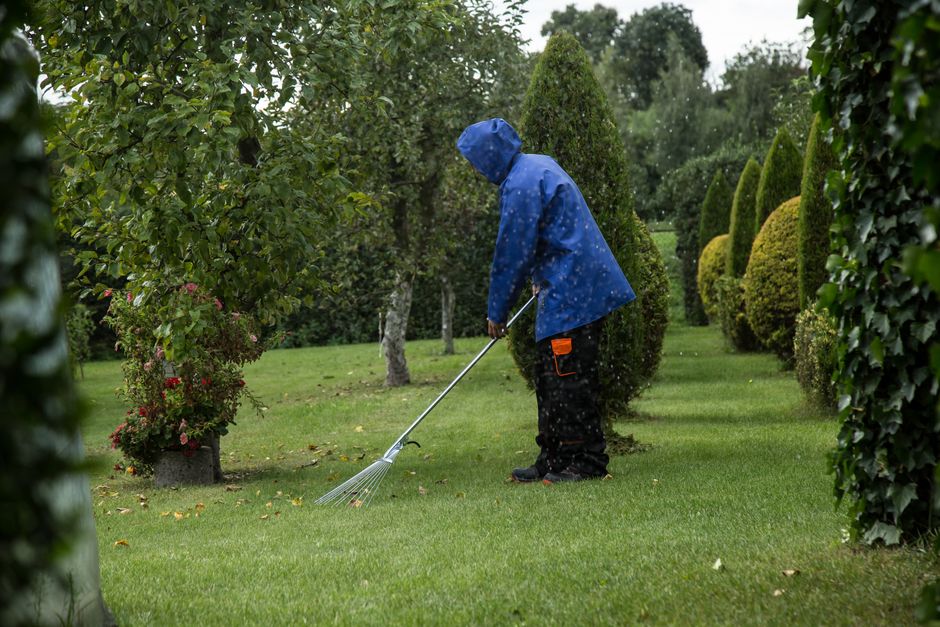
Scarification, often referred to as dethatching, is the process of mechanically raking the lawn to remove thatch, moss, and other debris. This process involves using a scarifier machine or a hand rake with spring tines that penetrate the thatch layer and pull it to the surface. By removing the buildup, scarification opens the soil surface, allowing better water penetration, air circulation, and nutrient absorption. It also creates a favorable environment for new grass seed to make contact with the soil.
The best time to scarify a lawn in the United States depends on the type of grass. For cool-season grasses, such as fescue, bluegrass, and ryegrass, the recommended time is early spring or early fall, when the grass is actively growing and can recover quickly. For warm-season grasses, like Bermuda and zoysia, scarifying is best done in late spring or early summer, after the grass has greened up and is growing vigorously. Performing scarification during the appropriate growth period minimizes stress on the grass.
It is important to note that scarification is a severe operation that can temporarily make the lawn look worse before it looks better. The process removes the thatch and exposes bare soil, which is necessary for seed germination. For lawns with severe thatch problems, more than one pass may be required, but it is crucial to avoid over-scarifying, as this can damage the grass crowns. After scarifying, the debris should be raked up and removed from the area, leaving a clean surface for subsequent treatments.
Aerating: Alleviating Soil Compaction
Core aeration, also known as aerification, involves removing small plugs of soil from the lawn to alleviate compaction. Aeration machines, either manual or motorized, punch holes into the ground and extract cores, which are left on the surface to break down naturally or can be collected. This process creates channels that allow air, water, and nutrients to penetrate the root zone, promoting deeper root growth and improving overall turf health.
Soil compaction is a common problem in lawns that receive heavy foot traffic or have clay-based soils. Compacted soil limits root development and reduces the lawn’s ability to absorb water and nutrients, making it more susceptible to drought and disease. Aeration helps to relieve this compaction by loosening the soil and increasing pore space. The holes also provide an ideal seedbed for overseeding, as they allow seeds to fall into direct contact with the soil, enhancing germination rates.
The timing for aeration follows similar principles to scarification. For cool-season grasses, early spring or fall aeration is recommended, as these periods align with active growth and recovery. Warm-season grasses should be aerated in the late spring or early summer. It is advisable to aerate when the soil is slightly moist, but not overly wet, to achieve clean core removal. After aeration, the soil plugs can be left to break down, adding organic matter to the lawn, or they can be raked up to avoid any mess.
Overseeding: Introducing New Grass Seed
Overseeding is the practice of planting grass seed directly into an existing lawn to fill in bare patches, improve density, and introduce improved grass varieties. This technique is an effective way to repair winter damage and enhance the overall health and appearance of the lawn. The key to successful overseeding is ensuring good seed-to-soil contact, which is why it is often performed in conjunction with scarification and aeration.
When overseeding, selecting the right grass seed is crucial. The seed should be suited to the local climate and the conditions of the lawn, such as sun exposure and soil type. For example, a shade-tolerant mix may be needed for areas under trees, while a drought-resistant variety might be preferred in regions with hot, dry summers. Mixing several species can also increase resilience, as each species has different strengths and weaknesses.
The best time to overseed in the United States is during the natural growth periods of the grass. For cool-season grasses, early fall is often considered ideal, as the soil temperatures are still warm enough for germination, but the air is cooler, reducing stress on the young seedlings. Spring overseeding can also be successful, but it may face competition from annual weeds and the onset of summer heat. For warm-season grasses, late spring or early summer is recommended. After overseeding, it is important to keep the soil consistently moist until the new grass establishes, which may require light watering several times a day.
Understanding the Optimal Timing for Lawn Revival
The timing of lawn revival processes is critical to their success. While the general guidelines suggest performing scarification, aeration, and overseeding in early spring or fall for cool-season grasses, the exact timing can vary based on the specific USDA hardiness zone. In northern regions, spring revival may be delayed until the soil has warmed and dried enough to avoid compaction. In southern regions, warm-season grasses may respond better to late spring treatments.
One approach to timing is to base activities on the growth stage of the grass, rather than the calendar date. For cool-season grasses, the ideal time is when the grass is just starting to green up and grow actively, typically when soil temperatures reach the 50-65°F range at a depth of 2 inches. For warm-season grasses, soil temperatures should be consistently above 65°F, which usually occurs later in the spring.
Weather conditions also play a role. It is best to perform these operations when the soil is moderately moist, not too wet or too dry. Overly wet soil can lead to clumping and poor aeration, while dry soil may be too hard to penetrate. Checking the forecast for a period of mild, overcast days can be beneficial, as it reduces stress on the lawn and allows for optimal seed germination.
Additionally, it is important to consider the time available for the lawn to recover. After scarifying or aerating, the grass needs a few weeks to regrow and fill in. Therefore, it is wise to start early enough in the season to allow this recovery before the stress of summer heat or winter cold arrives. Planning ahead and scheduling these tasks appropriately can significantly enhance the outcome.
Reviving a winter-damaged lawn is not a one-size-fits-all process. It requires careful observation, proper timing, and a willingness to adapt to the specific conditions of your lawn and climate.
Developing a Lawn Care Schedule for a Healthy Summer
To achieve a lush summer lawn, it is helpful to develop a comprehensive lawn care schedule that integrates scarification, aeration, and overseeding with other maintenance practices. A typical schedule for cool-season lawns in the United States might include scarifying and aerating in early spring, followed by overseeding and a light application of starter fertilizer. After the new grass germinates and establishes, regular watering and mowing routines should be resumed.
In the fall, many homeowners perform another round of aeration and overseeding to repair any summer damage and prepare the lawn for winter. This fall renovation is often considered even more critical than spring, as the cooler temperatures and increased moisture promote strong root development. By alternating between these treatments, the lawn can maintain its health and vigor year-round.
For warm-season lawns, the schedule differs. Since these grasses go dormant in winter, spring is the time to encourage strong recovery. Aerating in late spring, followed by overseeding with appropriate varieties, can help thicken the turf. Summer maintenance includes regular mowing and watering, while fall is a period of preparation for dormancy. It is important to avoid over-fertilizing warm-season grasses in the fall, as this can lead to disease.
An integrated lawn care plan also includes proper watering, mowing at the correct height, and addressing any pest or disease issues. Maintaining a sharp mower blade and avoiding cutting more than one-third of the grass blade at a time are recommended practices. Regular watering, typically 1 to 1.5 inches per week, is usually sufficient, but it is better to water deeply and infrequently to encourage deep roots.
By following a structured approach and understanding the needs of your lawn, you can create an environment where grass can thrive. Remember that lawn recovery is a gradual process, and results may not be immediate. Patience and consistent care are key to achieving the lush, green lawn you envision for summer.